

 Learning Curve
Story Sharing Sessions
Parent Mentors have used stories since the early days of the partnership and we continue to share out stories as a method of communicating important ideas, relating to others and reporting on the work we do in our districts.
Sometimes, we gather (both virtually and in person) and share stories about the work we are doing.
Here are three pictures to inspire parent mentor stories.

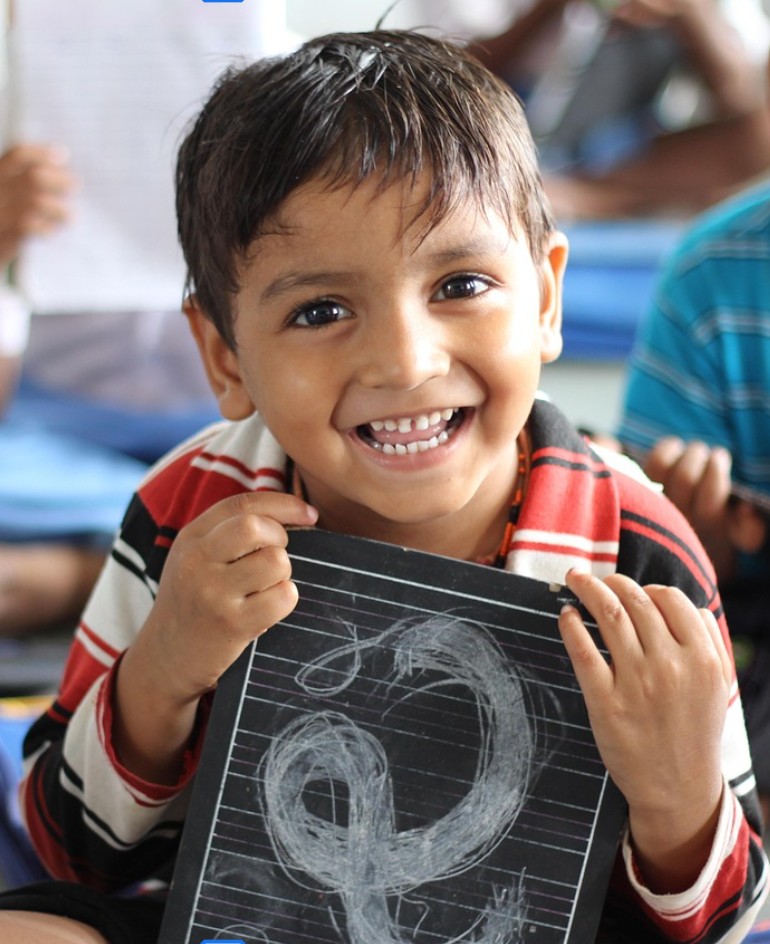
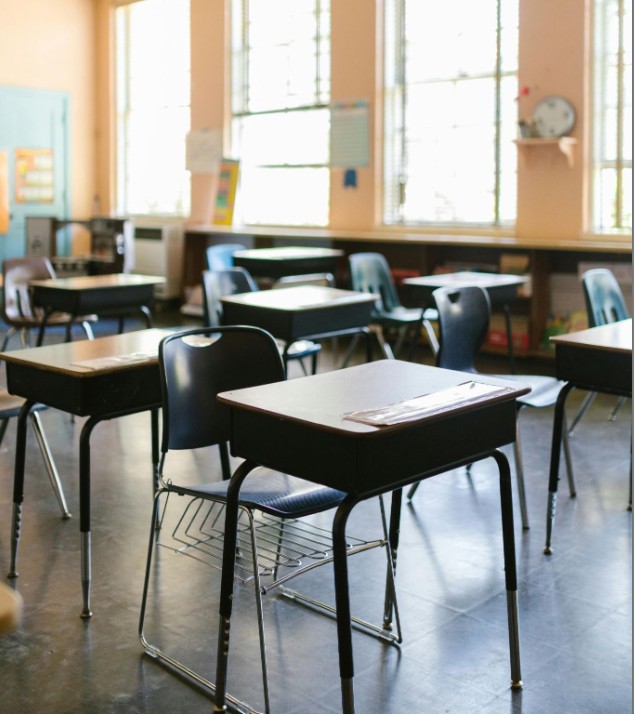

A Story from Katherine Rule from Henry County
For years, Ms. Ramirez attended IEP meetings for her daughter, Sofia. She signed the forms. She nodded
when educators spoke. But when she went home, the questions returned.
What does “transition planning” really mean?
What happens after high school?
Will Sofia be able to work? Go to college? Live independently?
Who will help her when school ends?
No one had ever slowed down enough to translate the language into a vision.
This year was different.
Instead of reviewing paperwork, the team started with Sofia. What does she enjoy? Where does she feel
confident? What does she want her life to look like at 22?
The special education teacher explained the IEP in plain language—what each support meant and why it
mattered. The counselor mapped out diploma pathways and credential options. The transition specialist
introduced community-based instruction and connected the family to local workforce development
programs. A parent mentor sat beside Ms. Ramirez—not across from her—pausing to answer questions
and reminding her she had a voice in every decision.
Together, they built a simple, clear pathway:
Enrollment in a community-based vocational program during senior year
Job-shadowing with a local childcare center, aligned to Sofia’s interest in working with young children
Application support for a post-secondary certificate program
Coordination with adult service agencies before graduation—so there would be no gap in support
A clear plan for transportation training and workplace accommodations
By the end of the meeting, the papers on the table hadn’t disappeared—but the fear had.
Ms. Ramirez no longer saw a stack of forms. She saw a plan.
For the first time, “transition” didn’t feel like an ending. It felt like a bridge.
Sofia now talks about “when I start my job,” not “if.” Her mother no longer lies awake wondering what
happens after high school. She knows who to call. She knows what steps come next. She knows her
daughter will not step into adulthood alone.
This is the impact of collaboration—when teachers, counselors, transition specialists, community partners,
and families move from compliance to clarity.
Because an IEP is more than a document.
When done right, it is a roadmap to a future a family can finally see.
Another story from Shonna Conyer in Bleckley County
This school year, I am currently working with a parent who reminded me so much of the woman in the picture. At our first meeting, she was overwhelmed and in tears. She is a single parent raising a child with autism who is receiving ABA therapy, and she had recently been informed that she may no longer be offered health insurance through her job. When I shared that I had resources available to help her, she began to calm down. With the help and guidance from our team we were able to connect her with local family therapy service. As our conversation continued and I opened up about my own experiences facing the financial challenges of therapy for my son, she became even more at ease. She was calm, relieved, and extremely thankful. She shared that she didn’t know where to turn or what to do before receiving support. I reassured her that I was here for her and that she could call me anytime—even if she just needed someone to talk to—because I have been there, and in many ways, I am still there as a parent myself. Knowing she was speaking with someone who truly understood helped make a difference. I am incredibly grateful for my supportive team, administration, teachers, and counselors for reaching out and trusting me to help support this family. Together with the help of our community partners, we were able to make a meaningful difference and help support the success of our students and their families.
External Links:
District Highlight Form
DOE story collection form